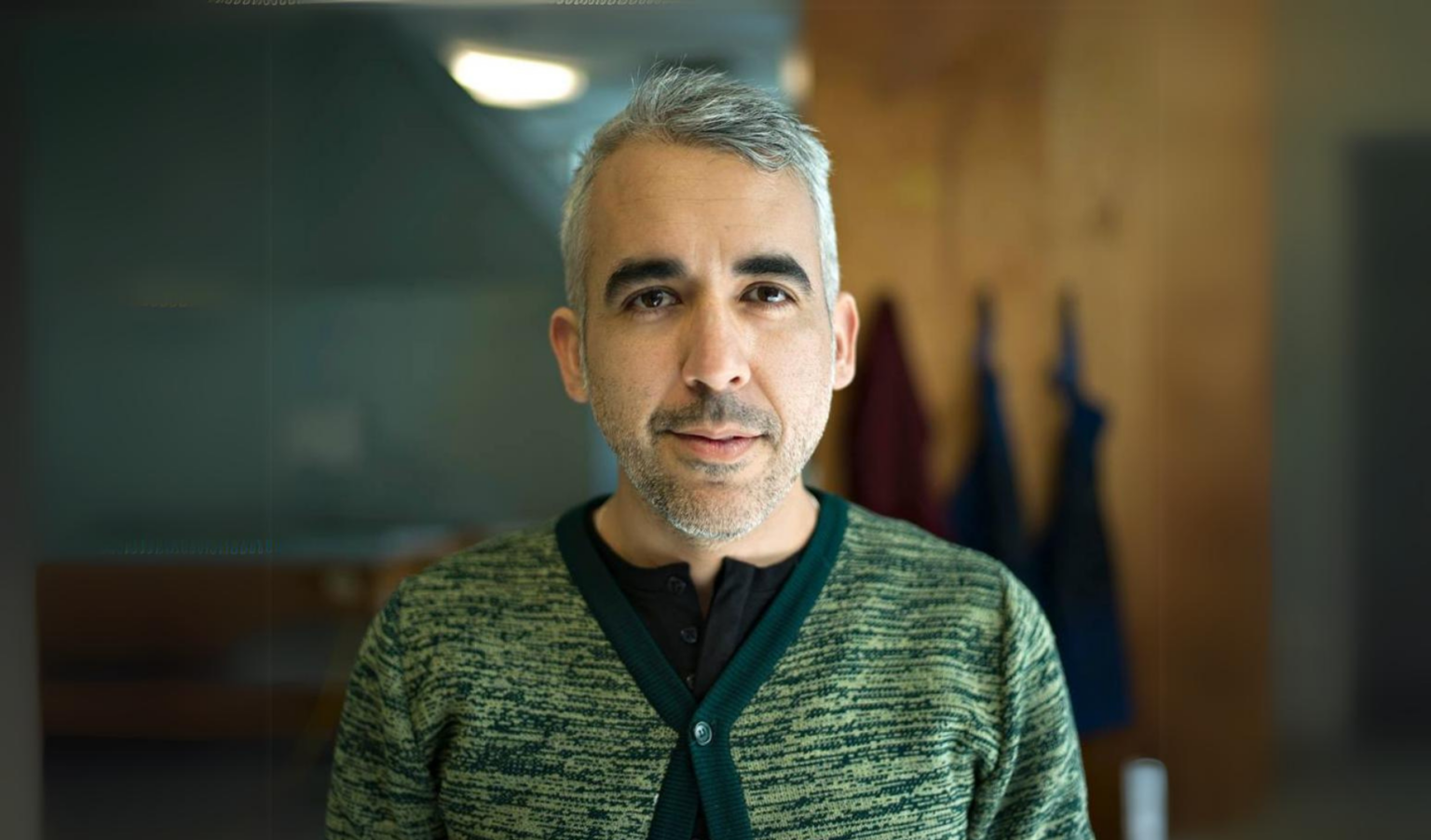
Life, Love, Trouble Making and Art
In Peter Morin’s expansive practice, Life is not a static state but a continuous, breathing archive that connects the physical body to the deep history of the Tahltan Nation. Peter rejects the idea that Indigenous culture is a thing of the past; instead, he positions his own physical presence as a bridge between ancestors and the future. By using his body in performance, he demonstrates that the transmission of knowledge is a living process, passed down through ancestry and lineage rather than being trapped in the silent pages of a history book. This lived experience serves as the foundation for his work, asserting that to exist and to create as an Indigenous person is a profound act of endurance and cultural continuity.
Building upon this foundation of life, Love manifests in Peter’s work as a radical form of communal care and "cultural medicine." His art is rarely a solitary endeavor; it often involves the "Kitchen Party" atmosphere of collaboration, storytelling, and shared song. This gentleness is a deliberate choice, a way to mend the fractures caused by colonial displacement. Through the act of singing to Tahltan belongings held in museum collections, he treats these objects not as specimens, but as kin that deserve to be heard and loved. This deep, ancestral affection transforms the gallery space from a cold institution into a site of emotional and spiritual reconnection.
This love is often expressed through a necessary brand of “Trouble Making”. Peter is a masterful disruptor who challenges the "white cube" of western art institutions by refusing to follow their rules of decorum. Whether he is drumming in a space where silence is expected or "re-activating" belongings behind glass, his trouble-making is a strategic tool used to expose the limitations of the colonial gaze causing productive friction and forcing viewers to confront Indigenous sovereignty. He offers the reality that these cultures cannot be "owned" or categorized by a museum. This disruption is not for the sake of chaos, but for the sake of liberation, clearing the path for a more honest dialogue about power and presence.
Art for Peter is the synthesis of elements, a verb rather than a noun. He shifts the definition of art away from the production of material goods toward performance of sovereignty. In his world, a song, a shared meal, or a walk across a specific piece of land is the highest form of creative expression. By prioritizing the ephemeral and the experiential, he ensures that his work remains untouchable by the commercial market’s desire for permanent objects. His art is a testament to the fact that Tahltan culture is a moving, evolving, and indestructible force, proving that the creative spirit is the most powerful tool for imagining an Indigenous future.
Projects
PROJECTS INFORMATION AND ALL THE GOOD STUFF HERE. PROJECTS INFORMATION AND ALL THE GOOD STUFF HERE. PROJECTS INFORMATION AND ALL THE GOOD STUFF HERE. PROJECTS INFORMATION AND ALL THE GOOD STUFF HERE. PROJECTS INFORMATION AND ALL THE GOOD STUFF HERE. PROJECTS INFORMATION AND ALL THE GOOD STUFF HERE.
PROJECTS INFORMATION AND ALL THE GOOD STUFF HERE. PROJECTS INFORMATION AND ALL THE GOOD STUFF HERE. PROJECTS INFORMATION AND ALL THE GOOD STUFF HERE. PROJECTS INFORMATION AND ALL THE GOOD STUFF HERE. PROJECTS INFORMATION AND ALL THE GOOD STUFF HERE. PROJECTS INFORMATION AND ALL THE GOOD STUFF HERE.
PROJECTS INFORMATION AND ALL THE GOOD STUFF HERE. PROJECTS INFORMATION AND ALL THE GOOD STUFF HERE. PROJECTS INFORMATION AND ALL THE GOOD STUFF HERE. PROJECTS INFORMATION AND ALL THE GOOD STUFF HERE. PROJECTS INFORMATION AND ALL THE GOOD STUFF HERE. PROJECTS INFORMATION AND ALL THE GOOD STUFF HERE.
Peter Morin is a Tahltan Nation artist, curator, and writer whose multifaceted practice serves as a vital bridge between ancestral Indigenous knowledge and contemporary art discourse. His work is deeply informed by his Tahltan heritage and frequently employs performance, song, and materiality to challenge colonial narratives and reclaim cultural space. Often referring to his interventions as cultural graffiti, Morin utilizes his body and voice to activate environments, transforming sterile institutional settings into living sites of memory and resistance. By integrating traditional elements like button blankets and animal hides with modern media such as video and collage, he emphasizes that Indigenous culture is an evolving, breathing force rather than a static historical artifact.
Throughout his career, Morin has made significant contributions to the Canadian arts landscape through both his creative output and his leadership in curation and academia. He has held influential positions at institutions such as OCAD University and Brandon University, where he has mentored emerging artists and advocated for the central role of Indigenous sovereignty in artistic practice. His curatorial projects often prioritize collaboration and collective storytelling, intentionally disrupting Western ideals of individualistic achievement. This commitment to community and shared history has earned him widespread recognition, including being long listed for the Sobey Art Award and seeing his work exhibited in major venues like the National Gallery of Canada and the Royal Ontario Museum.
In his more recent explorations, Morin continues to investigate the complex relationship between Indigenous bodies and the white cube of the gallery space. His performances often involve rituals of naming and singing that honor the land and the ancestors, effectively rewriting the history of the spaces he occupies. By centering Tahltan epistemologies and the physical presence of the Indigenous body, he forces a confrontation with the ongoing impacts of colonial structures while simultaneously celebrating the resilience and joy inherent in Indigenous life. His practice remains a critical touchstone for understanding how art can function as a tool for healing, advocacy, and the preservation of cultural heritage in the modern era.